
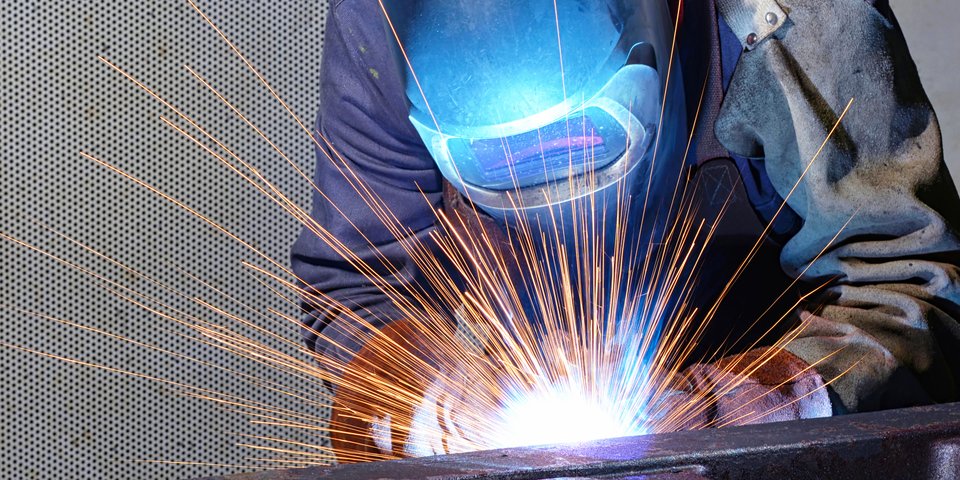
 iStockphoto-industryview
Report on job quality
Eurofound: Job quality in Europe has generally improved.
VS – 04/2026
In
recent years, the quality of jobs in Europe has improved overall – though not
all workers are benefiting equally. This is the conclusion reached by the
European Foundation for the Improvement of Living and Working Conditions
(Eurofound) in its latest overview report on the European Working Conditions Survey (EWCS
2024), published on 14 April.
Europe’s changing world of work
The
analysis covers 35 European countries, including all EU Member States, and
examines the impact of ecological, digital and demographic change on the world
of work. In addition to providing a comprehensive description of the workforce,
the report focuses in particular on digital working practices, social
relationships and issues of inclusion. A key finding is that good working
conditions pay off – they foster motivation, innovation, productivity and a
positive workplace climate.
Progress with downsides
Eurofound
assesses the quality of jobs across seven dimensions: pay, prospects, skills
and autonomy, working time, work intensity, and the social and physical
environment. In five of these areas, the situation has improved over the past
15 years. Conversely, there have been deteriorations in the social environment at
work and in work intensity. The survey also highlights that improvements in the
social environment at work, as well as in further training measures, are
strongly linked to access to social protection.
Gender-specific
differences are also striking: men are less frequently affected by high work
intensity, whilst the situation for women in this dimension has deteriorated.
By contrast, the physical working environment has improved, particularly due to
the decline in traditional physical strain. At the same time, however, new
risks are emerging – for example, from heat, chemicals or infectious
substances.
Working environment and employees’ perceptions
For
the majority of employees, financial aspects are not the main priority. Rather,
a safe working environment and trust in the workplace are crucial. Most find
their work meaningful and are convinced that they perform well: more than 80
per cent consider their work useful, and 85 per cent feel they are treated
fairly. Nevertheless, shortcomings remain: 14 per cent of workers in the EU
state that they are inadequately informed about health and safety risks. At the
same time, there is a clear disparity in the integration of occupational safety
and health within companies: whilst in Sweden around 80 per cent of workers
have access to an occupational safety and health representative, the figure in
Bulgaria is just under 30 per cent.
Inequalities persist
Despite
the overall positive trend, not all groups of workers benefit equally. The
study shows that gender-specific differences in employment trajectories remain
a key challenge. However, there are also significant differences in
occupational safety and health at country and sector level. Progress on job
quality therefore requires targeted measures and the expansion of social safety
nets.
A key issue for Europe’s future
Improving
working conditions has been a key objective of European policy since the Treaty
of Rome. The European Pillar of Social Rights and current initiatives such as the Quality
Jobs Roadmap or the competitiveness compass also underline the importance of good working
conditions for sustainable growth and competitiveness.
Against
the backdrop of an ageing and shrinking workforce, the issue is becoming even
more important. High-quality jobs are seen as crucial to attracting more people
into the labour market, keeping them in work for longer and, at the same time, boosting
productivity. This requires continuous investment in people, including in
rehabilitation, health and safety at work. The Eurofound report shows that Europe
has made progress but still faces key challenges.